Recovery for Product Damage Alone in Strict Products Liability Claims
Defective products can cause far more than inconvenience. In some cases, they lead to catastrophic injuries, fires, property damage, or significant financial losses. But what happens when a defective product damages only itself and no one is physically injured?
Whether consumers can recover compensation in these situations depends heavily on state law and the legal theory asserted. Courts across the country remain divided on whether strict products liability applies when the only damage is to the defective product itself.
Understanding this distinction is important for consumers, manufacturers, business owners, and anyone evaluating a potential products liability claim.
What Is Products Liability?
Products liability law governs the legal responsibility of manufacturers, distributors, suppliers, and retailers for injuries or damages caused by defective products.
Generally, a product may be considered defective because of:
- A design defect
- A manufacturing defect
- Inadequate warnings or instructions
- Failure to disclose known risks
These defects can affect virtually any consumer product, including:
- Vehicles and automotive parts
- Household appliances
- Medical devices
- Industrial equipment
- Children's products
- Electronics and batteries
The central purpose of products liability law is consumer protection. It encourages companies to produce reasonably safe products and provides legal remedies when defective products cause harm.
For additional guidance on defective product claims, readers may also find value in GoLaw’s internal resource on defective product litigation.
Understanding Strict Products Liability
Strict products liability is a legal doctrine that allows injured consumers to pursue compensation without proving that the manufacturer acted negligently.
Instead, the injured party generally must show that:
- The product was defective;
- The defect existed when the product left the defendant’s control; and
- The defect caused injury or damage.
Under strict liability principles, responsibility may extend to multiple parties within the chain of distribution, including:
- Manufacturers
- Component manufacturers
- Distributors
- Wholesalers
- Retail sellers
This doctrine developed because manufacturers are often in the best position to:
- Identify safety risks
- Implement quality control measures
- Warn consumers about known hazards
- Absorb and distribute the costs associated with defective products
The doctrine is widely recognized throughout the United States, although states differ in how broadly it applies.
According to the
National Highway Traffic Safety Administration (NHTSA), defective consumer products—particularly motor vehicles and automotive components—continue to result in substantial recalls and safety investigations each year.
When a Defective Product Damages “Other Property”
Courts generally allow recovery under strict products liability when a defective product causes:
- Personal injury
- Death
- Damage to other property
For example:
- A defective toaster causes a kitchen fire
- A faulty lithium-ion battery damages a home
- A defective vehicle component causes a collision that destroys other property
In these scenarios, the law traditionally permits recovery because the defective product created an unreasonable safety risk extending beyond the product itself.
Some courts have also allowed recovery for related economic losses when accompanied by physical injury or property damage.
The Legal Debate Over “Product Damage Alone”
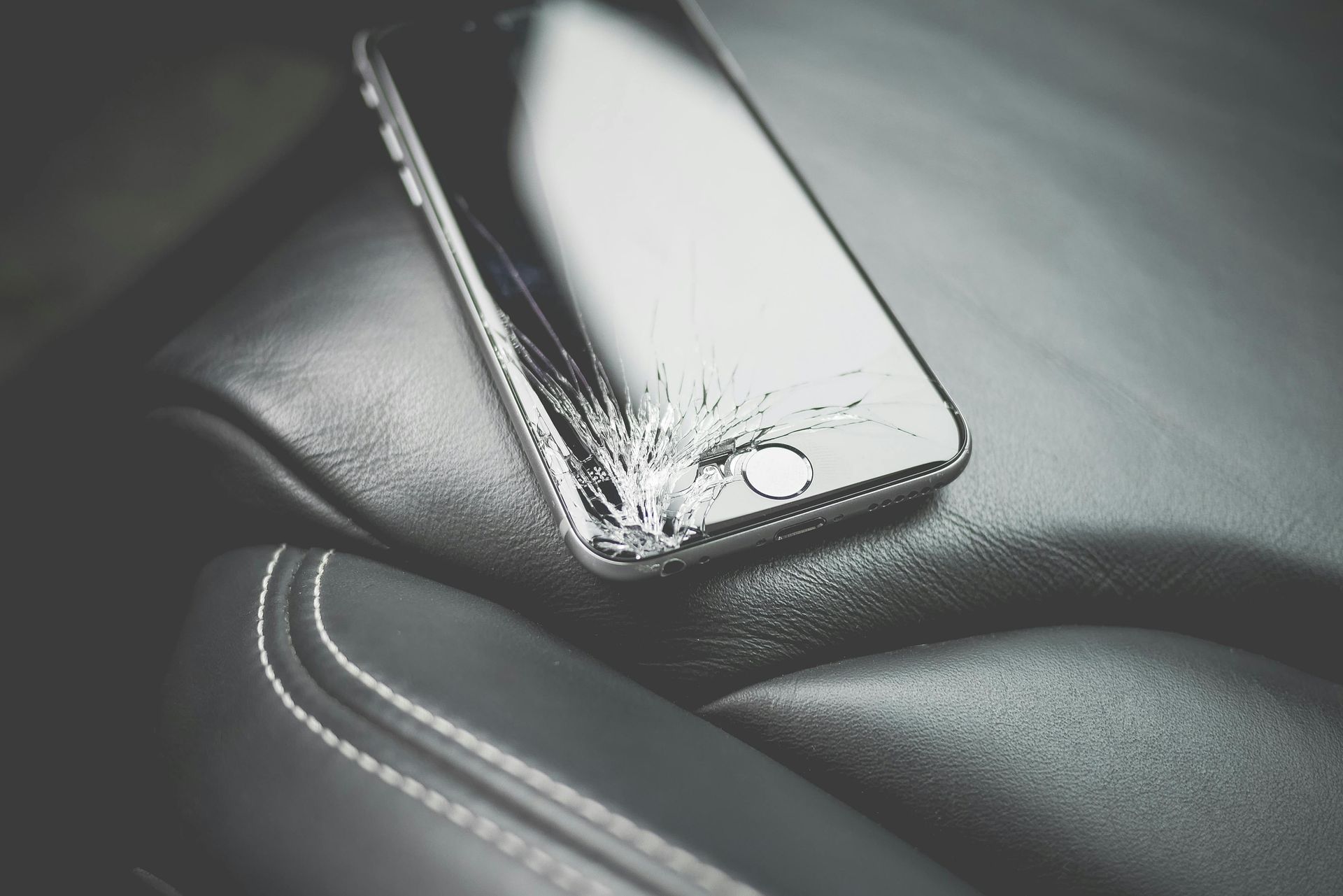
More difficult legal questions arise when the only damage is to the defective product itself.
For example:
- A vehicle engine fails because of an internal manufacturing defect
- An appliance malfunctions and becomes unusable
- Industrial machinery breaks due to defective components
In these situations, there may be no injuries and no damage to surrounding property. The consumer’s loss is limited to the product’s diminished value, repair costs, or replacement expenses.
Courts across the country disagree on whether strict products liability should apply to these purely economic losses.
States That Allow Recovery for Product Damage Alone
Some states permit consumers to pursue strict liability claims even when the defective product only damages itself.
Courts supporting this approach often reason that:
- Manufacturers are best positioned to prevent defects
- Consumers should not bear the financial burden of dangerous products
- Strict liability promotes safer manufacturing practices
- Companies can spread losses through pricing, insurance, and risk management
States that have, in certain circumstances, permitted recovery for product damage alone include:
Some courts are especially willing to allow recovery when the product failure occurs in a sudden or catastrophic manner that creates a serious safety hazard.
For instance, a defective battery that explodes or a vehicle component that fails violently may support stronger arguments for strict liability, even if no one is ultimately injured.
States That Limit Recovery to Warranty or Contract Claims
Other states—including California, New York, Illinois, and Arizona—have often rejected strict products liability claims when the only harm is damage to the product itself.
These courts frequently apply what is known as the “economic loss rule.”
What Is the Economic Loss Rule?
The economic loss rule generally prevents plaintiffs from recovering purely financial losses through tort law when no personal injury or damage to other property occurred.
Instead, consumers may need to rely on:
- Warranty claims
- Contract remedies
- Consumer protection statutes
- Commercial code provisions
Courts applying the economic loss rule often distinguish between:
- Safety-related harms traditionally addressed by tort law; and
- Disappointed commercial expectations better handled through contract law
In plain terms, if a product simply fails to perform as expected, some courts view that as a warranty issue rather than a strict liability matter.
The
Legal Information Institute at Cornell Law School provides additional background on products liability principles and related legal doctrines.
California’s Approach to Product Damage Claims
California courts have historically limited strict products liability recovery when the defect causes damage only to the product itself.
In many cases, California law directs plaintiffs toward:
- Breach of warranty claims
- Uniform Commercial Code (UCC) remedies
- Contract-based litigation
However, California products liability law remains highly fact-specific. Whether a claim qualifies as recoverable property damage may depend on:
- The nature of the defect
- The type of product involved
- Whether other property was affected
- Whether the failure created an unreasonable safety hazard
- The contractual relationship between the parties
Because these distinctions can significantly affect legal rights, consumers dealing with defective products should seek legal guidance promptly.
Readers may also wish to explore GoLaw’s internal article discussing how product recalls and safety investigations can impact civil claims.
Why These Cases Matter
Product damage cases raise important public policy questions.
Courts must balance competing concerns, including:
Consumer Protection
Consumers reasonably expect products to function safely and properly. When dangerous defects exist, many courts believe manufacturers should bear responsibility.
Commercial Expectations
Other courts emphasize that product performance disputes are often contractual in nature and should be governed by warranty law rather than tort law.
Public Safety
Strict liability doctrines also encourage safer product design, testing, and manufacturing practices by increasing accountability throughout the supply chain.
Practical Challenges in Product Defect Cases
Even when a claim appears straightforward, products liability cases are often technically complex.
Key issues may include:
- Preserving the defective product as evidence
- Identifying the precise defect
- Determining whether misuse contributed to the failure
- Reviewing recalls and safety bulletins
- Consulting engineering or industry experts
- Evaluating warranty limitations
In many cases, expert analysis plays a critical role in determining whether a defect existed and whether it caused the alleged damages.
Conclusion
Strict products liability law continues to evolve as courts address the complex intersection of consumer safety, commercial expectations, and economic losses.
While many states allow recovery when defective products cause personal injury or damage to other property, courts remain divided on whether consumers may recover when the product damages only itself.
In states like California, these claims frequently involve the economic loss rule and may require careful analysis of warranty law, contractual obligations, and the nature of the alleged defect.
Because products liability cases are highly fact-dependent, individuals dealing with defective products should seek experienced legal guidance to better understand their potential rights and remedies.
Suggested FAQ Schema Questions
- Can I sue if a defective product only damaged itself?
- What is considered a defective product?
- Does California allow strict liability claims for economic losses alone?
- What damages may be recoverable in a products liability case?
- Should I keep the defective product?
Optional CTA Ideas for Consultation Conversion
- “Questions about a defective product claim? Speak with an attorney to better understand your legal options.”
- “If a defective product caused injuries or property damage, legal guidance can help preserve important evidence and evaluate potential claims.”
- “GoLaw helps individuals evaluate complex products liability matters involving defective consumer and commercial products.”
Can I sue if a defective product only damaged itself?
Possibly. The answer depends on your state’s laws and the specific facts of the case. Some states permit strict liability claims for product damage alone, while others limit recovery to warranty or contract remedies.
What is considered a defective product?
A product may be defective because of a flawed design, manufacturing error, or inadequate warnings or instructions.
Does California allow strict liability claims for economic losses alone?
In many situations, California courts apply the economic loss rule, which limits recovery for purely financial losses when no personal injury or damage to other property occurred.
What damages may be recoverable in a products liability case?
Depending on the circumstances, recoverable damages may include:
- Medical expenses
- Property damage
- Lost income
- Repair or replacement costs
- Pain and suffering
- Other economic losses
The availability of damages depends on state law and the legal claims asserted.
Should I keep the defective product?
Yes. Preserving the product is often critical evidence in a products liability investigation. Altering, repairing, or discarding the product may affect the ability to evaluate a claim.