Manufacturer Defenses in Automotive Products Liability Cases
Manufacturer Defenses in Automotive Products Liability Cases in California
Learn how manufacturers defend against automotive product liability claims involving vehicle defects, crashworthiness issues, seat belt defenses, and comparative fault under California law.
Manufacturer Defenses in Automotive Products Liability Cases
Motor vehicle manufacturers have a legal duty to design, manufacture, and market vehicles that are reasonably safe for consumers. When a defective vehicle or automotive component causes serious injuries, victims may pursue compensation through a products liability claim.
However, manufacturers and auto companies rarely accept liability without raising legal defenses intended to reduce or avoid responsibility.
Understanding the defenses commonly used in automotive products liability litigation can help injured drivers, passengers, and families better understand how these cases are evaluated under California law.
Understanding Automotive Products Liability Claims
Automotive products liability cases arise when a vehicle defect contributes to a crash, rollover, fire, airbag failure, tire blowout, or other dangerous incident. These claims may involve passenger vehicles, commercial trucks, motorcycles, SUVs, or individual vehicle components.
In California, a plaintiff generally must prove that:
- The vehicle or component contained a defect;
- The defect made the product unreasonably dangerous;
- The product was used in a reasonably foreseeable way; and
- The defect substantially contributed to the injuries or damages suffered.
Vehicle defects typically fall into three primary categories:
Design Defects
A design defect exists when a vehicle or component is inherently unsafe because of the way it was engineered. Examples may include unstable vehicle designs prone to rollover accidents or fuel system placements that increase fire risks during collisions.
Manufacturing Defects
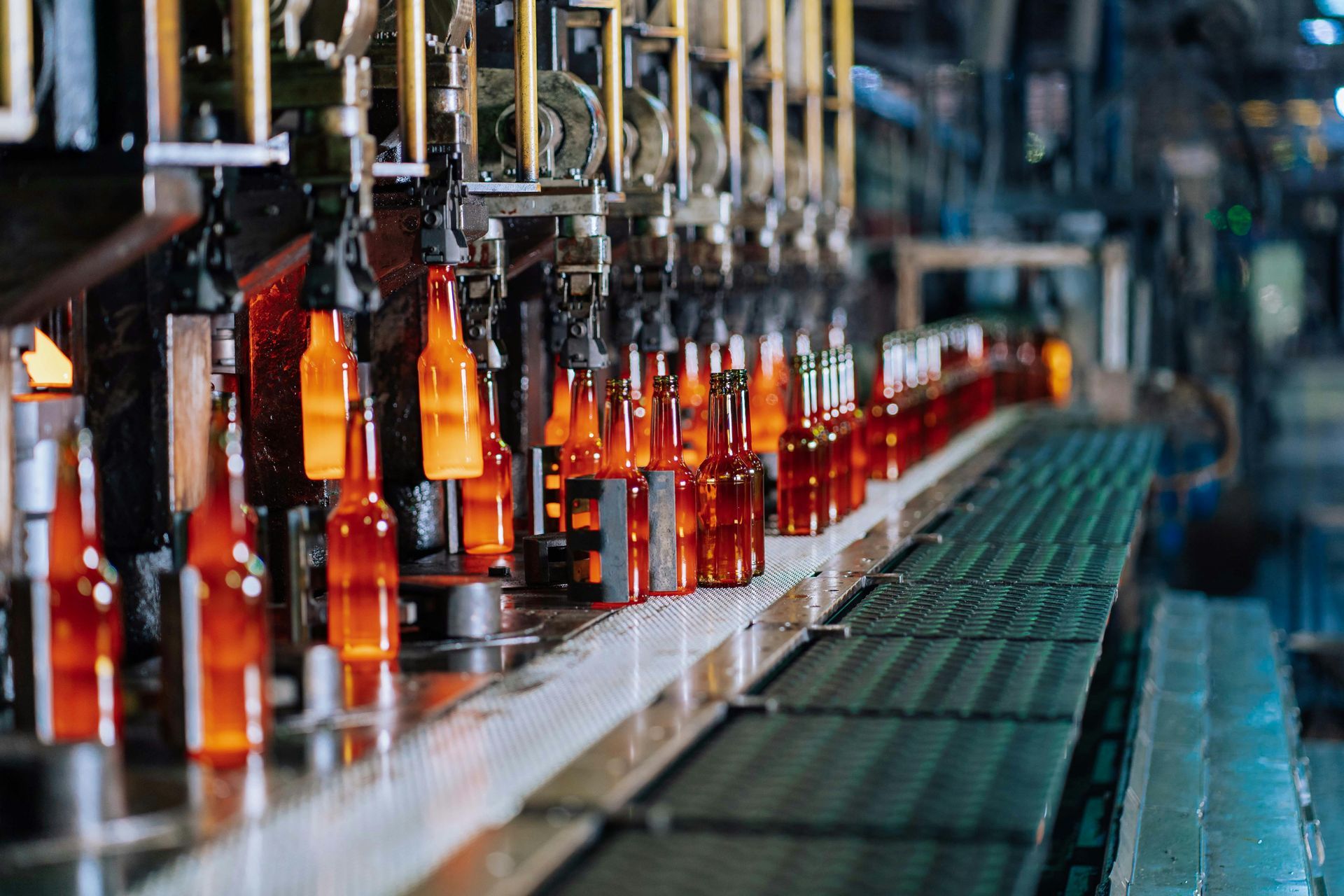
Manufacturing defects occur during the production or assembly process. Even if a vehicle was safely designed, an error in manufacturing may create dangerous conditions, such as defective brakes, improperly installed airbags, or faulty steering components.
Failure to Warn
Manufacturers may also face liability when they fail to provide adequate warnings or instructions regarding known dangers associated with vehicle operation, maintenance, or foreseeable misuse.
For additional information regarding vehicle safety standards and recalls, readers can review resources provided by the National Highway Traffic Safety Administration (NHTSA).
Common Manufacturer Defenses in Automotive Defect Cases
Vehicle manufacturers often rely on several legal defenses to challenge liability claims. The success of these defenses depends heavily on the facts of the case, expert testimony, and applicable state law.
Arguing That No Defect Existed
One of the most common defenses is simply denying that the vehicle contained any defect at all.
Manufacturers may argue that:
- The vehicle complied with applicable safety regulations;
- The component functioned as intended;
- The accident resulted from driver error rather than a defective product; or
- The damage occurred after the vehicle left the manufacturer’s control.
In many cases, both sides retain engineering experts, accident reconstruction specialists, and automotive safety professionals to analyze the vehicle and determine whether a defect actually existed.
Claiming the Defect Did Not Cause the Injury
Even when a defect is identified, manufacturers frequently argue that the alleged defect did not cause the plaintiff’s injuries.
For example, a manufacturer may concede that a vehicle component malfunctioned but contend that:
- The crash would have occurred regardless of the defect;
- The injuries were caused by another vehicle;
- Road conditions were the true cause of the collision; or
- The plaintiff’s injuries were unrelated to the alleged product failure.
Causation disputes are often central to automotive products liability litigation and can significantly influence settlement negotiations and trial outcomes.
The Misuse Defense
Manufacturers may also assert that the injured party used the vehicle in an improper or unforeseeable manner.
Examples may include:
- Modifying vehicle safety systems;
- Operating a vehicle beyond its intended capacity;
- Ignoring critical maintenance requirements; or
- Using automotive components for unintended purposes.
However, California courts often recognize the concept of “foreseeable misuse.” This means manufacturers may still be responsible for dangers associated with behavior that could reasonably be anticipated, even if the use was technically improper.
For example, courts may consider whether it was foreseeable that drivers would fail to maintain ideal driving conditions, overload cargo areas, or engage in common but risky driving behavior.
Comparative Fault and the Seat Belt Defense
California follows a comparative fault system, which means liability may be divided among multiple parties based on their percentage of responsibility.
Manufacturers frequently raise what is known as the “seat belt defense,” arguing that a vehicle occupant’s injuries became more severe because they failed to wear an available seat belt.
Under this defense, a manufacturer may attempt to reduce damages by arguing that:
- The plaintiff failed to use reasonable care for their own safety; and
- Proper seat belt use would have reduced the extent of the injuries.
Importantly, the seat belt defense does not necessarily eliminate liability altogether. Instead, it may affect the amount of compensation awarded.
Readers interested in crash injury prevention data can review studies published by the Centers for Disease Control and Prevention (CDC) Motor Vehicle Safety Division.
Federal Compliance Does Not Always Eliminate Liability
Automakers sometimes argue that compliance with federal motor vehicle safety standards proves the vehicle was reasonably safe. While compliance may be relevant evidence, it does not automatically shield manufacturers from liability under California products liability law.
A vehicle may still be considered defective even if it technically met minimum regulatory standards at the time it was sold.
This distinction is especially important in cases involving:
- Airbag deployment failures;
- Roof crush injuries;
- Fuel-fed fires;
- Defective tires;
- Electronic system malfunctions; and
- Advanced driver assistance technologies.
How California Law Impacts Automotive Product Liability Cases
Unlike some areas of law governed primarily by federal statutes, products liability law largely develops at the state level. As a result, legal standards can vary significantly across jurisdictions.
California is generally considered a consumer-friendly state for products liability claims because courts often apply strict liability principles. Under strict products liability claims, injured consumers may not need to prove that the manufacturer acted negligently. Instead, the focus is typically on whether the product was defective and whether that defect caused harm.
Still, manufacturers retain substantial resources and legal teams dedicated to challenging these claims. Automotive defect cases are often highly technical and may require extensive investigation, expert analysis, and preservation of physical evidence.
Why Early Investigation Matters
In automotive defect cases, evidence preservation is critical. Vehicles are often repaired, salvaged, or destroyed after serious accidents, potentially eliminating key evidence needed to prove a defect claim.
An early investigation may help preserve:
- Crash data recorder information;
- Damaged vehicle components;
- Tire and brake system evidence;
- Airbag deployment data;
- Surveillance footage; and
- Maintenance and recall records.
Prompt legal evaluation can also help identify whether additional parties may share responsibility, including component manufacturers, dealerships, maintenance providers, or third-party suppliers.
Conclusion
Automotive products liability claims can involve complex engineering issues, competing expert opinions, and aggressive defense strategies from vehicle manufacturers. Defenses such as comparative fault, misuse allegations, causation disputes, and regulatory compliance arguments are common in these cases.
For injured consumers, understanding these defenses is an important step toward evaluating potential legal claims and protecting their rights after a serious vehicle-related injury.
Because California products liability law continues to evolve alongside modern vehicle technology, these cases often require careful legal and technical analysis tailored to the specific facts involved.
Suggested FAQ Schema Questions
- What is an automotive products liability claim?
- What defenses do car manufacturers use in product liability lawsuits?
- Can a manufacturer deny liability even if a vehicle defect exists?
- What is the seat belt defense in California?
- Does federal safety compliance protect automakers from lawsuits?
- What is considered foreseeable misuse of a vehicle?
- How do design defects differ from manufacturing defects?
- Is California a strict liability state for defective vehicle claims?
- Can comparative fault reduce compensation in a vehicle defect case?
- What evidence is important in an automotive defect lawsuit?
CTA Ideas for Consultation Conversion
- “If you or a loved one suffered injuries caused by a suspected vehicle defect, GoLaw can help evaluate your legal options.”
- “Our legal team investigates complex automotive defect and crashworthiness claims throughout California.”
- “Contact GoLaw for a confidential consultation regarding defective vehicle and automotive product injury claims.”
What is an automotive products liability claim?
An automotive products liability claim is a legal action brought against a vehicle manufacturer, parts manufacturer, or seller when a defective vehicle or automotive component causes injuries, death, or property damage. These claims may involve design defects, manufacturing defects, or failure to provide adequate warnings about known safety risks.
What defenses do car manufacturers use in product liability lawsuits?
Car manufacturers commonly defend product liability lawsuits by arguing that no defect existed, the defect did not cause the injuries, the vehicle was misused, or the injured party shares responsibility for the accident. Manufacturers may also argue that the vehicle complied with federal safety standards or that modifications made after sale contributed to the incident.
Can a manufacturer deny liability even if a vehicle defect exists?
Yes. A manufacturer may admit that a defect existed but still argue that the defect did not cause the plaintiff’s injuries. For example, the manufacturer may claim that driver error, road conditions, or another vehicle caused the accident rather than the alleged defect itself.
What is the seat belt defense in California?
The seat belt defense is a legal argument that a plaintiff’s injuries were worsened because they failed to wear an available seat belt. In California, this defense may reduce the amount of compensation awarded if the defendant proves that proper seat belt use would have lessened the injuries sustained in the accident.
Does federal safety compliance protect automakers from lawsuits?
Not necessarily. Although compliance with federal motor vehicle safety standards may help support a manufacturer’s defense, it does not automatically prevent a lawsuit. Under California law, a vehicle may still be considered defective even if it met minimum federal safety requirements.
What is considered foreseeable misuse of a vehicle?
Foreseeable misuse refers to vehicle use that may be improper but is still reasonably predictable by manufacturers. Examples can include overloading a vehicle, failing to follow maintenance recommendations, or using a vehicle in common but risky ways that manufacturers could reasonably anticipate consumers might engage in.
How do design defects differ from manufacturing defects?
A design defect exists when a vehicle or component is inherently unsafe because of its engineering or overall design. A manufacturing defect occurs when an error during production or assembly causes a specific vehicle or part to become dangerous, even if the original design was safe.
Is California a strict liability state for defective vehicle claims?
Yes. California generally applies strict liability principles in automotive product liability cases. This means an injured person may not need to prove that the manufacturer acted negligently, only that the vehicle or component was defective and that the defect substantially caused the injuries.
Can comparative fault reduce compensation in a vehicle defect case?
Yes. California follows a comparative fault system, meaning compensation may be reduced if the injured party is found partially responsible for the accident or their injuries. For example, failing to wear a seat belt or improperly using a vehicle could affect the final damages awarded.
What evidence is important in an automotive defect lawsuit?
Important evidence in an automotive defect lawsuit may include the damaged vehicle, crash data recorder information, maintenance records, recall notices, expert inspections, accident reconstruction reports, photographs, surveillance footage, and medical records documenting the injuries sustained.
Recent Posts