What Is Products Liability Law?
Products liability law is the area of law that holds manufacturers, distributors, suppliers, retailers, and others in the chain of distribution accountable when defective or dangerous products cause injuries or property damage. These claims often arise from products such as:
- Motor vehicle parts and equipment
- Medical devices
- Prescription medications
- Household appliances
- Children’s toys and products
- Industrial machinery and tools
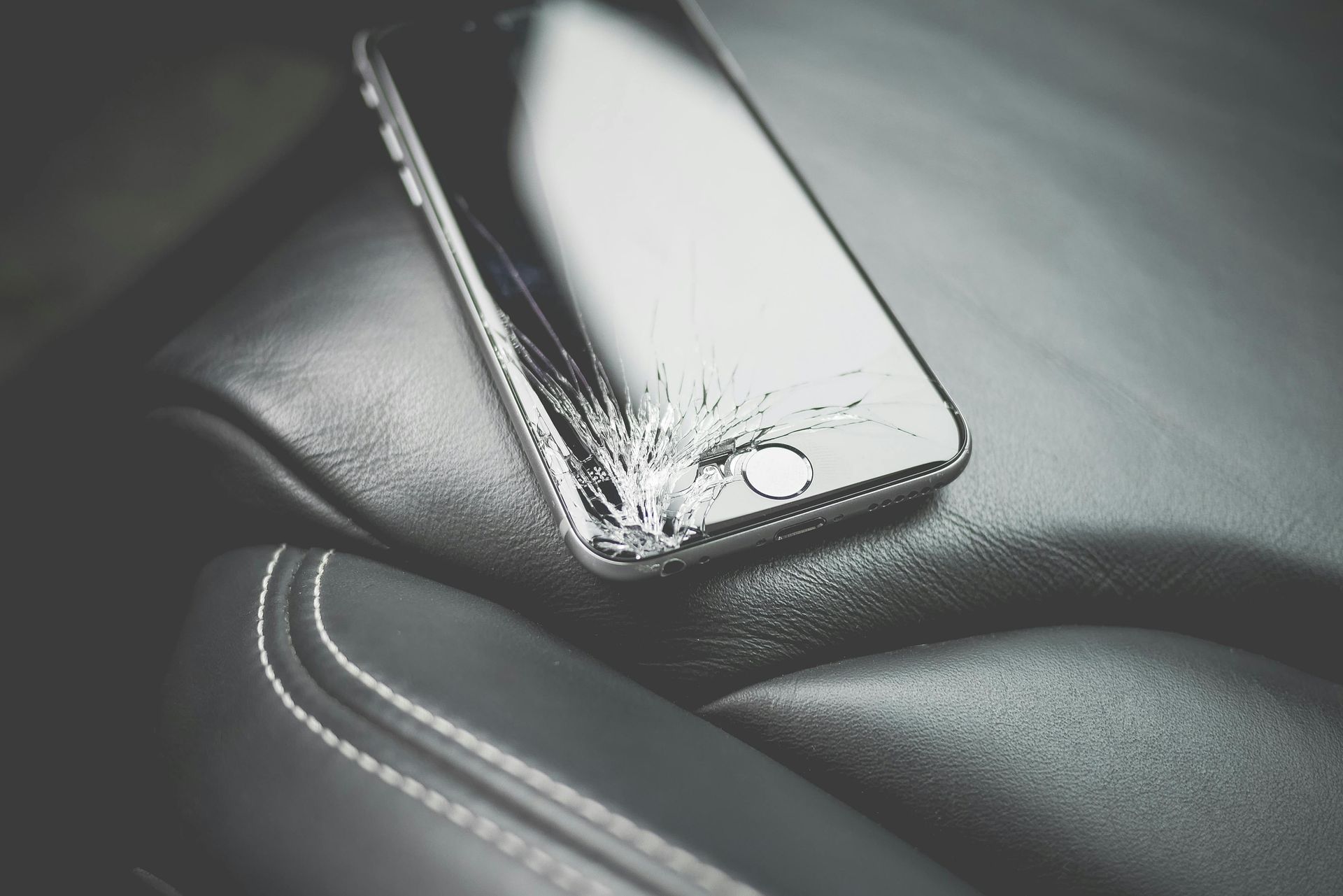
- Electronics and batteries
- Consumer food and beverage products
California law is especially favorable to injured consumers because many product liability claims can be pursued under a theory of strict liability, meaning an injured person may not need to prove negligence in order to recover damages.
What Makes a Product Defective?
A product may be considered defective when it is unreasonably dangerous for consumers during normal or foreseeable use. Generally, defective products fall into three categories:
Design Defects
A design defect exists when the product itself is inherently dangerous because of the way it was designed, even if manufactured correctly. Examples may include:
- A vehicle prone to rollover accidents
- A battery design that overheats or explodes
- A power tool lacking proper safety guards
Manufacturing Defects
A manufacturing defect occurs during the production or assembly process, causing the product to differ from its intended design. Examples may include:
- Contaminated medications
- Faulty brake systems
- Cracked or weakened product components
Failure to Warn (Marketing Defects)
A product may also be defective if it lacks adequate warnings, instructions, or safety information about known risks associated with its use. Examples include:
- Medications without sufficient side-effect warnings
- Chemicals missing hazard labels
- Products lacking proper operating instructions
Who Can Be Held Liable for a Defective Product?
Several parties may share responsibility for injuries caused by a defective product, including:
- Product manufacturers
- Component manufacturers
- Distributors and wholesalers
- Retail stores and online sellers
- Product installers or repair companies
California products liability law often allows injured consumers to pursue claims against multiple parties involved in bringing the product to market.
What Damages Can Be Recovered in a Products Liability Claim?
An injured consumer may be entitled to recover compensatory damages, which are intended to help restore financial and personal losses resulting from the injury. Potential damages may include:
- Economic Damages
- Medical expenses
- Hospital bills
- Rehabilitation and therapy costs
- Lost wages
- Loss of future earning capacity
- Property damage
- Non-Economic Damages
- Pain and suffering
- Emotional distress
- Loss of enjoyment of life
- Permanent disability or disfigurement
- Loss of Consortium
A spouse or family member may also have a claim for loss of companionship, support, or consortium resulting from the injury.
Punitive Damages
In some cases involving reckless misconduct or intentional disregard for consumer safety, courts may award punitive damages to punish particularly dangerous conduct and deter future wrongdoing.
What Must Be Proven in a Products Liability Case?
The legal requirements for a products liability claim depend on the theory of liability being pursued.
Strict Products Liability
A strict liability claim generally requires proof that:
- The product was defective
- The defect caused the injury
- The product was being used in a reasonably foreseeable manner
- The product had not been substantially altered after leaving the manufacturer
Under strict liability, it is not always necessary to prove that the manufacturer acted negligently.
Negligence Claims
A negligence-based products liability claim typically requires proof that:
- The manufacturer or seller owed a duty of care
- That duty was breached
- The breach caused the injury
- The consumer suffered damages
Negligence claims often focus on careless design, testing, manufacturing, or inspection practices.
Breach of Warranty Claims
A breach of warranty claim may involve:
- An express warranty made by the manufacturer or seller
- An implied warranty that the product was reasonably safe and fit for ordinary use
- A breach of that warranty
- Injuries or damages resulting from the breach
What Should You Do After an Injury Caused by a Defective Product?
If you believe a defective product caused your injury, it is important to:
- Seek immediate medical attention
- Preserve the product and all packaging if possible
- Keep receipts, manuals, and proof of purchase
- Take photographs of injuries and damages
- Avoid modifying or repairing the product
- Consult an experienced products liability attorney promptly like Mark Doughty at GoLaw.com
Evidence preservation can play a major role in a successful claim.
How Long Do You Have to File a Products Liability Claim in California?
California law limits the amount of time an injured consumer has to file a claim. In many cases, the statute of limitations is generally two years from the date of injury, although exceptions may apply depending on the circumstances of the case.
Because deadlines can significantly affect your rights, speaking with an attorney as soon as possible is important.
Speak With an Experienced Products Liability Attorney
Defective product cases can involve large manufacturers, extensive investigations, and complex legal issues. An experienced attorney can help investigate the defect, identify liable parties, preserve evidence, and pursue the compensation you may deserve.
If you or a loved one has been injured by a defective or dangerous product, consulting with a qualified products liability attorney can help you better understand your legal options. If you would like to schedule a consultation with us, please follow this link or give us a call.